
Introduction
Money is very important when running any business.
But for photographers, it’s not just about getting paid, it’s about getting paid on time, consistently, and without stress.
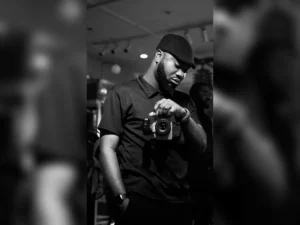
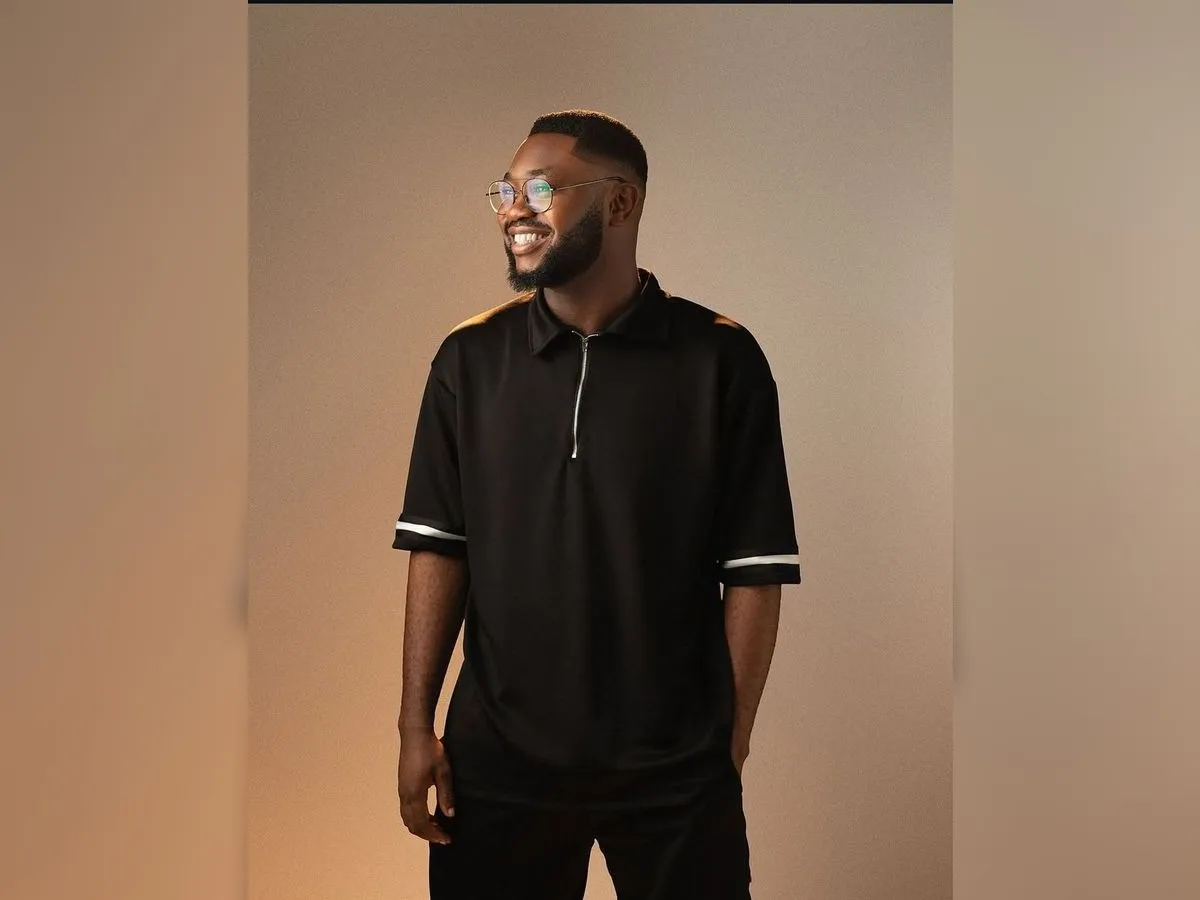
In this conversation, Adesoji shares a hard lesson that completely changed how he runs his photography business, from chasing payments to building a system that protects his work, confidence, and creativity.
The Hard Truth About Money in Photography
Interviewer:
What’s the first money lesson photography taught you?
Adesoji:
That clients don’t always pay, even when they love your work.
In 2021, I shot a wedding through a referral. The client paid part of the fee upfront, we travelled for the wedding, I edited everything, and delivered the photos.
When I called him to remind him about my balance, he said the pictures were nice.
Then he added, “I’ll send your money when I’m done fixing my house.”
Up till today, that money never came.
That was the moment I realised something had to change.
What Went Wrong
Interviewer:
Yes, something had to change. I’m curious, what exactly went wrong in that situation?
Adesoji:
I had already delivered everything.
At that time, I was collecting about 50–70% upfront.
But the big problem was that once the work was sent, the client had no reason to rush payment. I had done my part. He didn’t need me anymore.
Contracts didn’t help. Terms and conditions didn’t help. I had no real leverage.
So I started thinking: How do I protect myself without ruining the client experience?
Why Contracts Aren’t Enough
Interviewer:
Many people fix this through contracts. Why don’t contracts alone protect photographers?
Adesoji:
Because a contract doesn’t force payment.
You can have the best agreement in the world, but if a client decides to delay or disappear, you’ll still be the one chasing. And chasing clients drains your confidence.
I realised I needed a system, not just paperwork.
The System That Changed Everything
Interviewer:
Hmmm…what changed in your workflow and what system did you put in place?
Adesoji:
Everything changed for me when I used a platform called OurPixo. It helped me lock files until clients paid my balance in full.
I moved to collecting 90% upfront before the shoot.
The remaining 10%?
I still collect that in full because now clients can preview their photos, select favourites, and see the finished project — but they can’t download or take a screenshot until payment is complete.
Confidence, Respect & Creative Freedom
Interviewer:
You were like, “Sorry, no pay, no download today!” How did this affect your confidence as a photographer?
Adesoji:
I stopped feeling like I was begging to be taken seriously.
I felt respected because people could see I took my business seriously and would deliver the best work possible.
When someone pays you properly, they value your time and your craft. It also changed how I showed up creatively. I wasn’t anxious or desperate anymore I could focus on doing great work.
Photography Is More Than Just Photos
Interviewer:
You said photography is an experience. What do you mean by that?
Adesoji:
Photography isn’t just about clicking a button like people think.
Clients want to feel understood.
Before any shoot, I ask questions not aggressively, just naturally:
- What style do you like?
- Indoor or outdoor?
- How many deliverables do you want?
- Frames, albums, extra photographers?
- Where did your inspiration come from?
Many clients already have screenshots saved on their phones. If you don’t ask, they’ll wait until editing starts to complain.
There’s a secret I use to keep clients coming back. Make them feel comfortable! Tell jokes, share a story with them before the shoot.
Clients feel overwhelming pressure during a photoshoot, and if you can make them feel at ease while giving them a great experience, trust me, that’s the best way to get client referrals as a photographer.
Avoiding “I Don’t Like the Edit” Problems
Interviewer:
I totally agree with you. So how do you avoid the “I don’t like the edit” problems?
Adesoji:
I let clients tell me exactly what they want.
I ask them to explain what they want in their own words. Then I write it down and send it back to them:
“So this is what you want, right?”
That way, everyone is clear, and I don’t have to deal with the issue of clients wanting extra edits.
I’m also honest if a client wants a style outside my usual workflow.
Sometimes I’ll learn it. Sometimes I’ll recommend another photographer. Both options protect my brand.
Pricing Your Work the Right Way
Interviewer:
What if you’re able to learn the style they want? How do you think about pricing your work?
Adesoji:
Pricing starts with value.
Before charging any amount, I ask myself:
- Am I delivering more than what I’m collecting?
- Do my gear, experience, and effort justify this price?
Pricing isn’t copying what others charge. It’s knowing who you are as a photographer and what you bring to the table.
You also need to take account of everything that’ll be needed for the shoot — stuff like props, transportation, gear, location, lights, etc….
If you’re renting, then you need to know how much all that would be. This way, you don’t undercharge.
Handling the Unknown
Interviewer:
I totally agree with you, and I’m curious…. What do you do when a client requests something you’ve never done before?
Adesoji:
I research.
I reach out to photographers who specialise in that area and ask questions. Not to steal prices, just to understand the market.
And if I know I can’t deliver the quality required, I refer the client. That honesty builds long-term trust.
Why Research Is Everything
Interviewer:
You talked about research, but how important is it when it comes to growth?
Adesoji:
Research is everything.
I live by four rules:
Read. Rest. Research. Review.
Most things I know didn’t come from formal teaching. They came from Googling, watching YouTube videos, and experimenting.
If you see a style you don’t understand, research it. With the internet, information is rarely the problem; curiosity is.
YouTube and Google should be your best friends.
Staying Organised as a Photographer
Interviewer:
Trust me, they’re my best friends.
How do you stay organised after shooting thousands of photos?
Adesoji:
Chaos is normal, especially with weddings.
I use tools like:
- Photo Mechanic for fast selection and sorting during editing
- Lightroom for editing
- AI tools like ChatGPT for pitching, communication, and workflow
- OurPixo for organised & professional delivery
The goal isn’t to work harder, it’s to remove friction from your process.
The Biggest Lesson
Interviewer:
What’s the biggest lesson you’ve learned so far?
Adesoji:
Talent alone doesn’t protect photographers.
Systems do.
Once you protect your work, your payments, and your process, everything else becomes easier: confidence, creativity, and growth.
Watch the Full Conversation
Want to get more actionable advice?
Watch the full conversation on YouTube